Cross-Border Strategy · Field Note
Hannover Messe 2026,
notes from the floor.
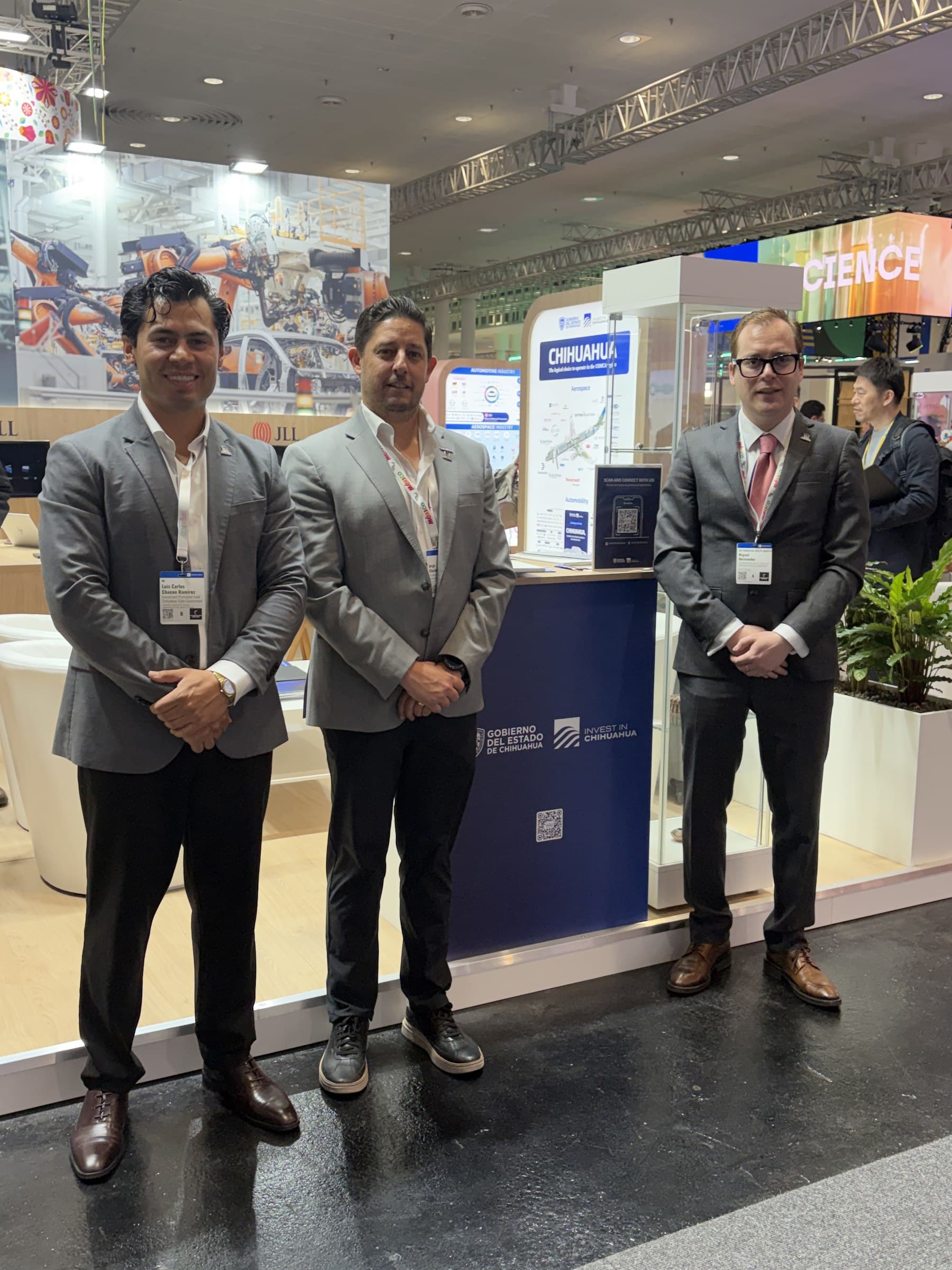
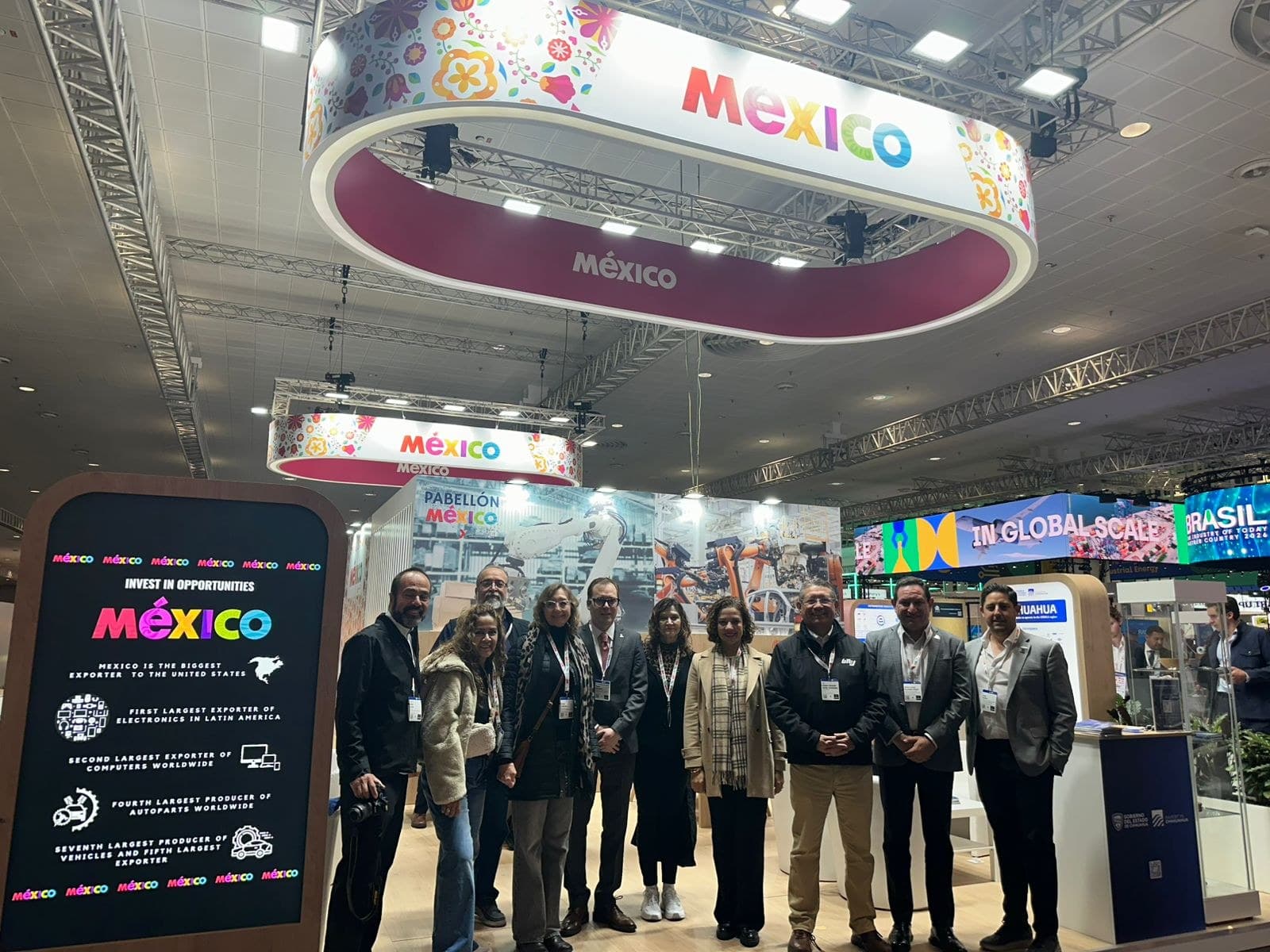
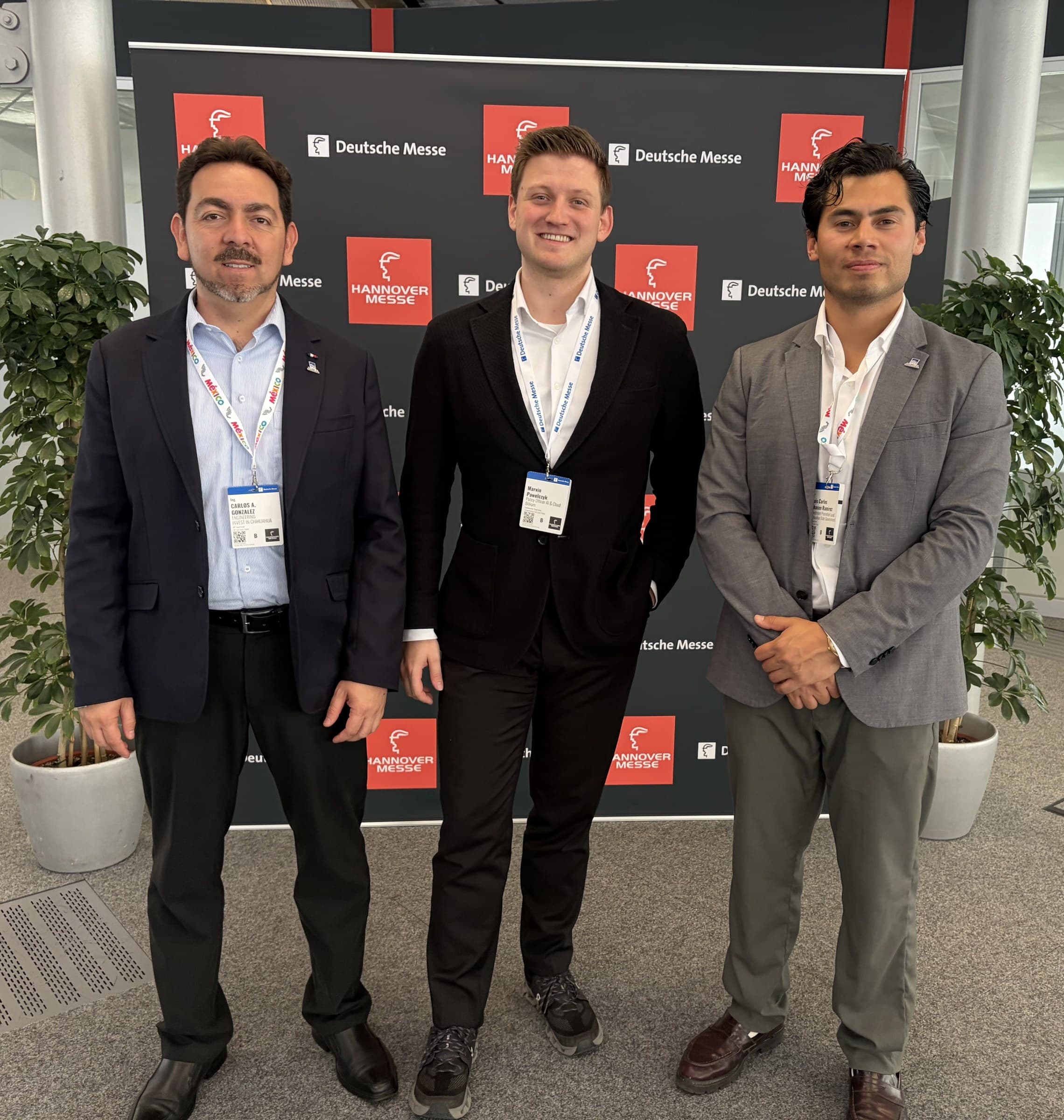
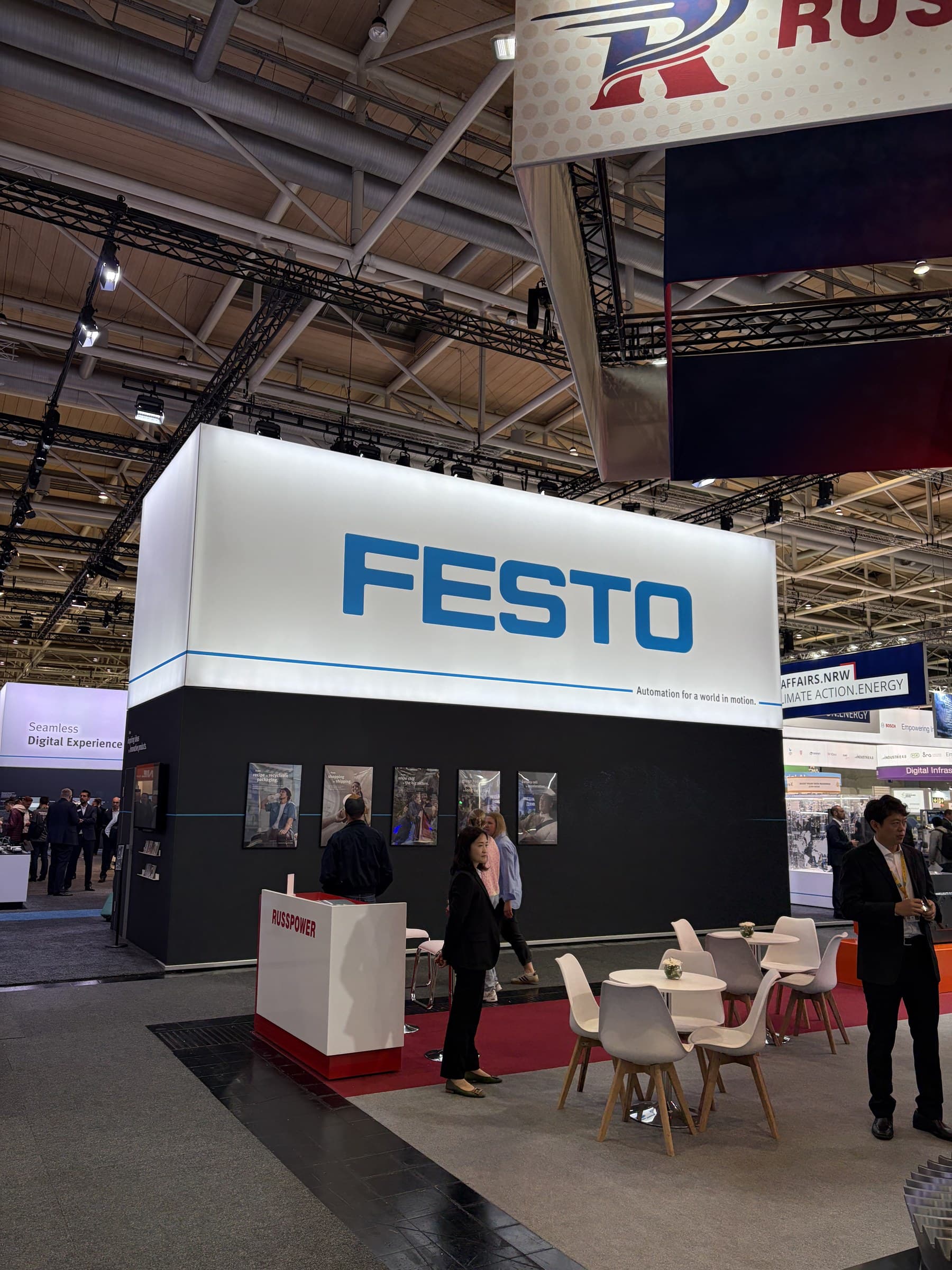
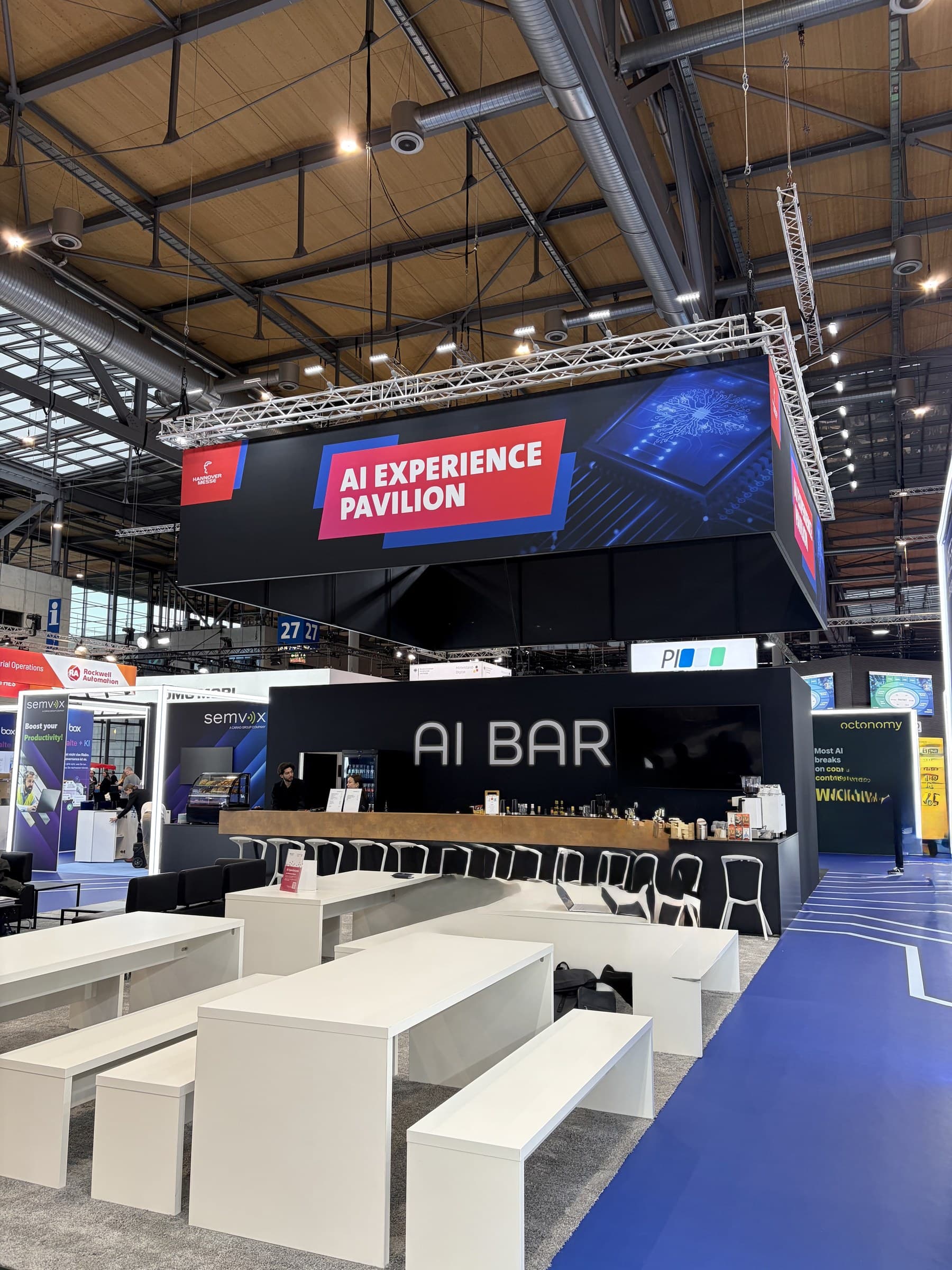
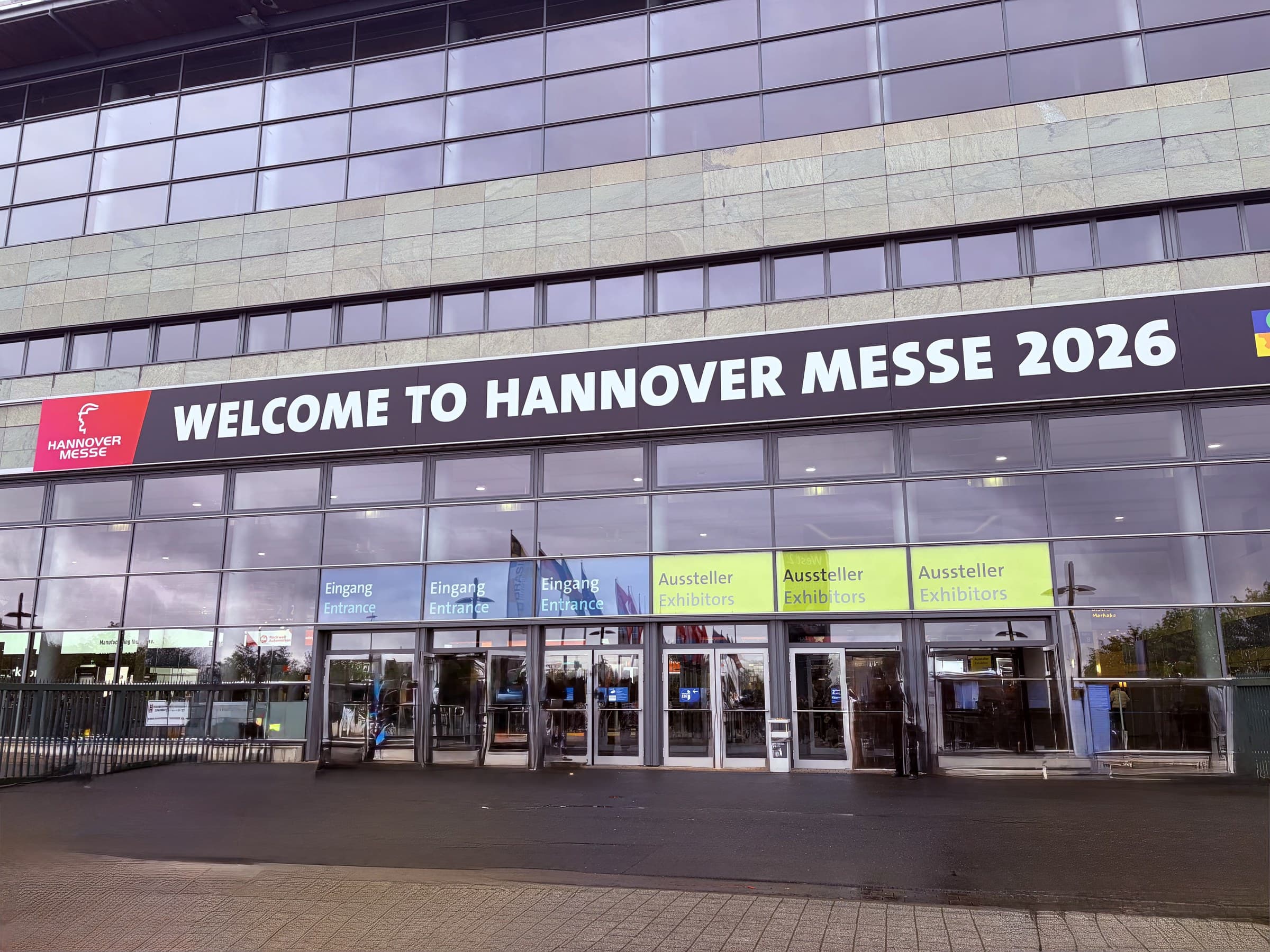
For five days in late April, Hannover Messe 2026 turned the world’s largest industrial trade fair into something closer to a referendum on supply-chain geography. Some 4,000 exhibitors from more than sixty countries, a partner-country slot held by Brazil, and a single working theme — Think Tech Forward— converged on twelve halls of automation, energy, and industrial AI. The mandate we held that week, on behalf of the Government of the State of Chihuahua, was to read those signals and translate them into investment outcomes. This is what we saw.
The fair, in three lines.
Brazil was partner country, but the conversation was North American. Industrial AI moved from booth-talk to procurement-talk — the difference between a demo loop and a decision-grade pilot. Hydrogen and electromobility kept their corner of the fair, but capital expectations have rebased: the speeches stayed bold, the term sheets got shorter.
What we were doing there.
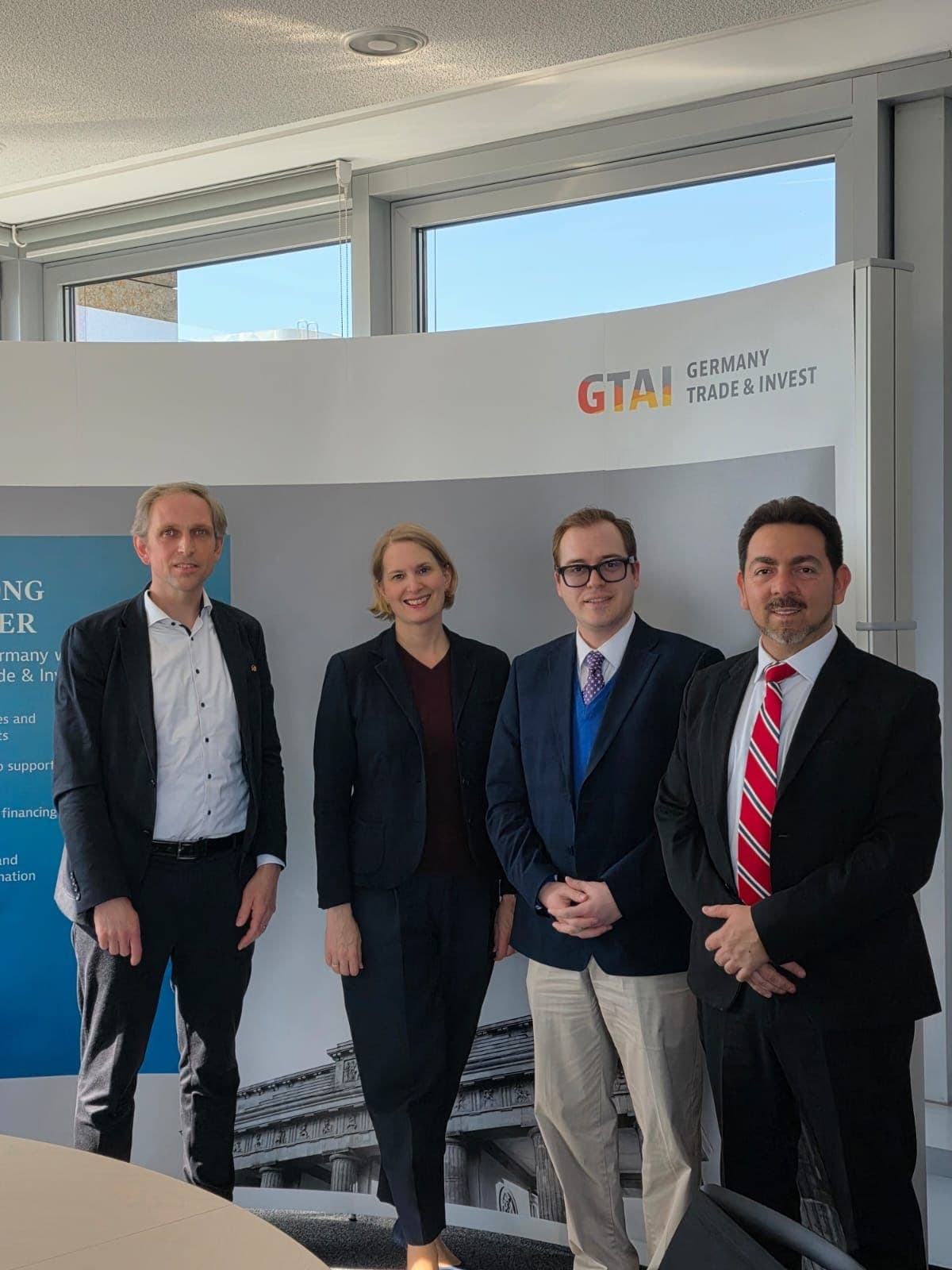
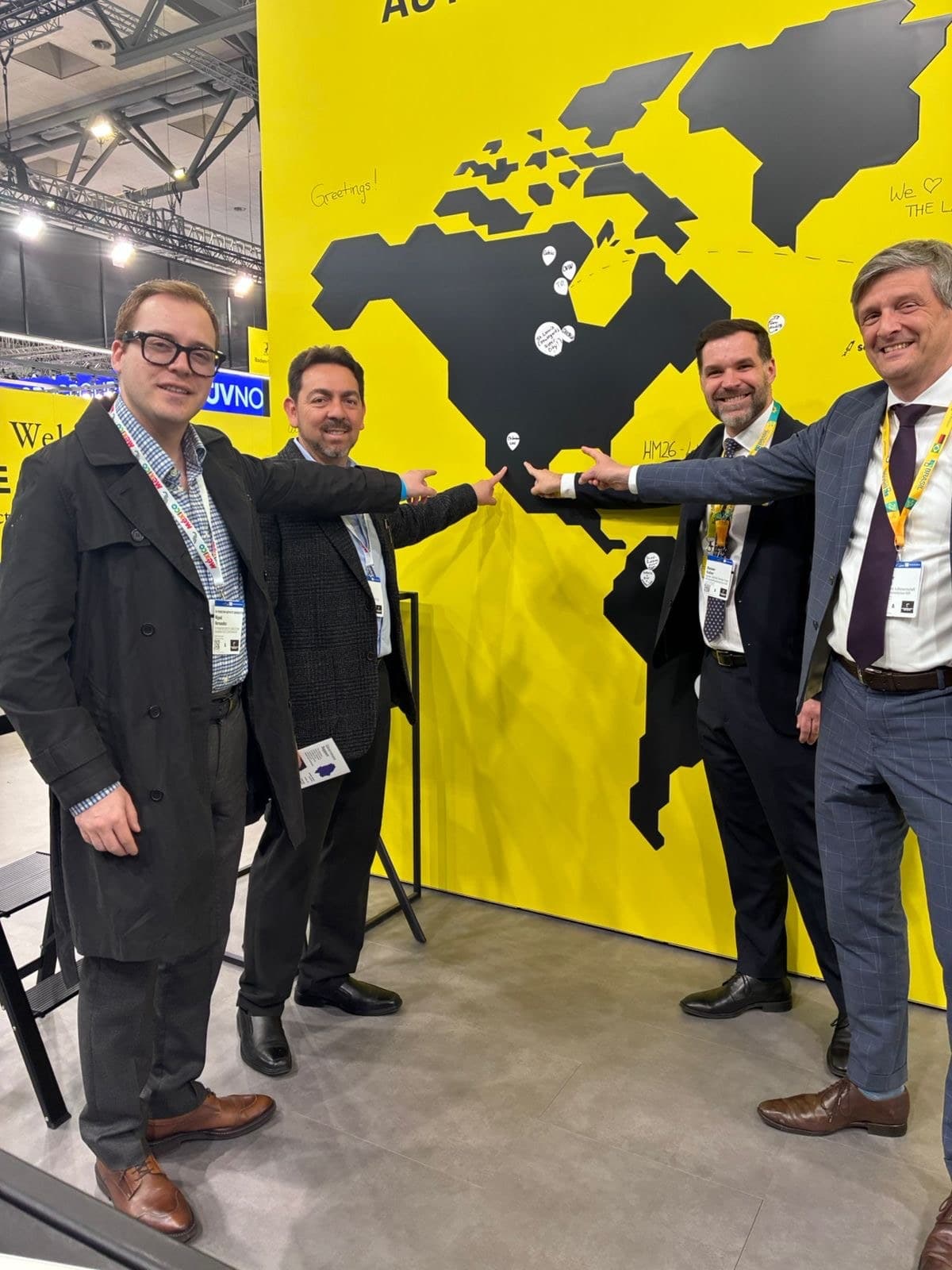
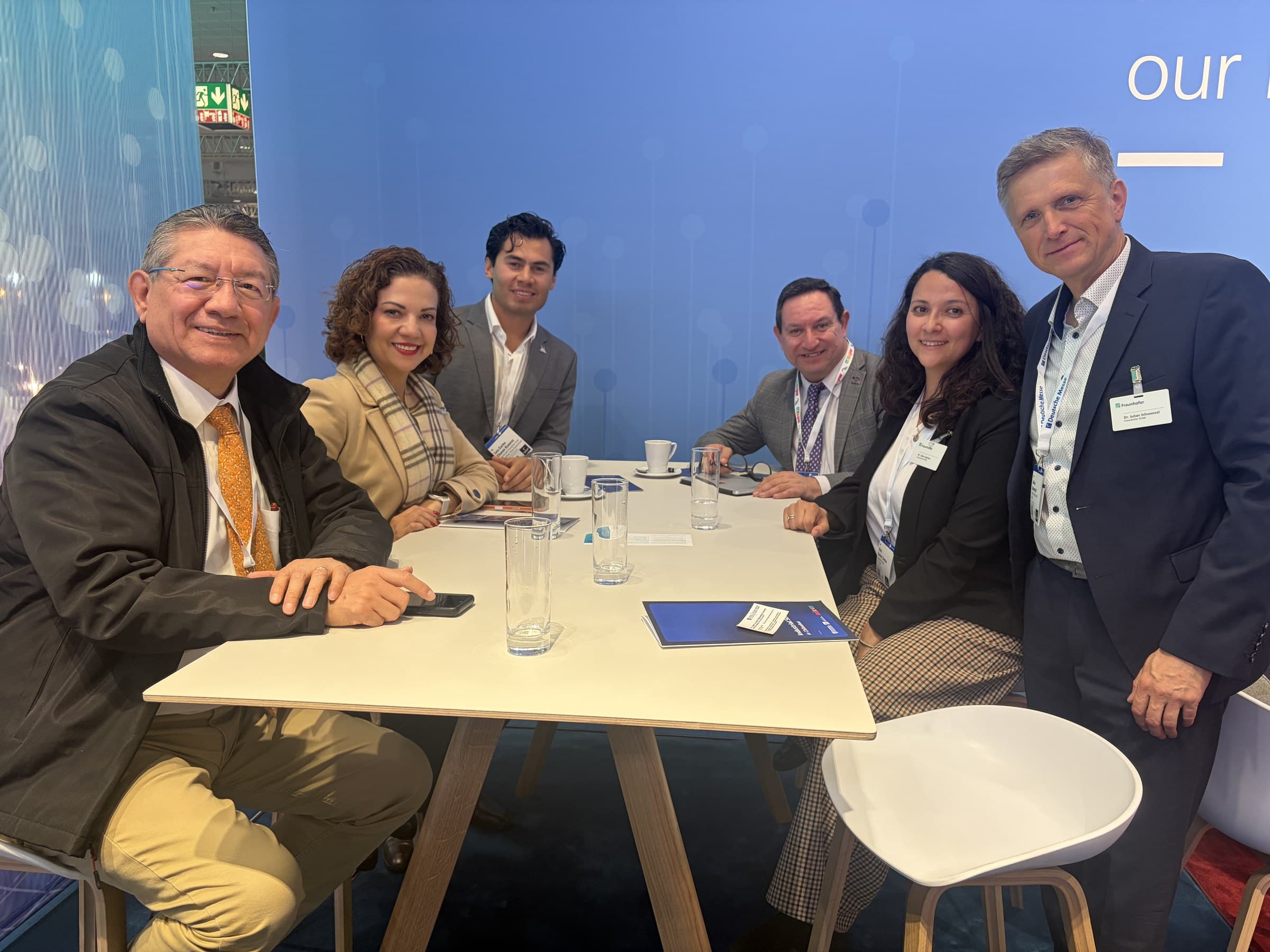
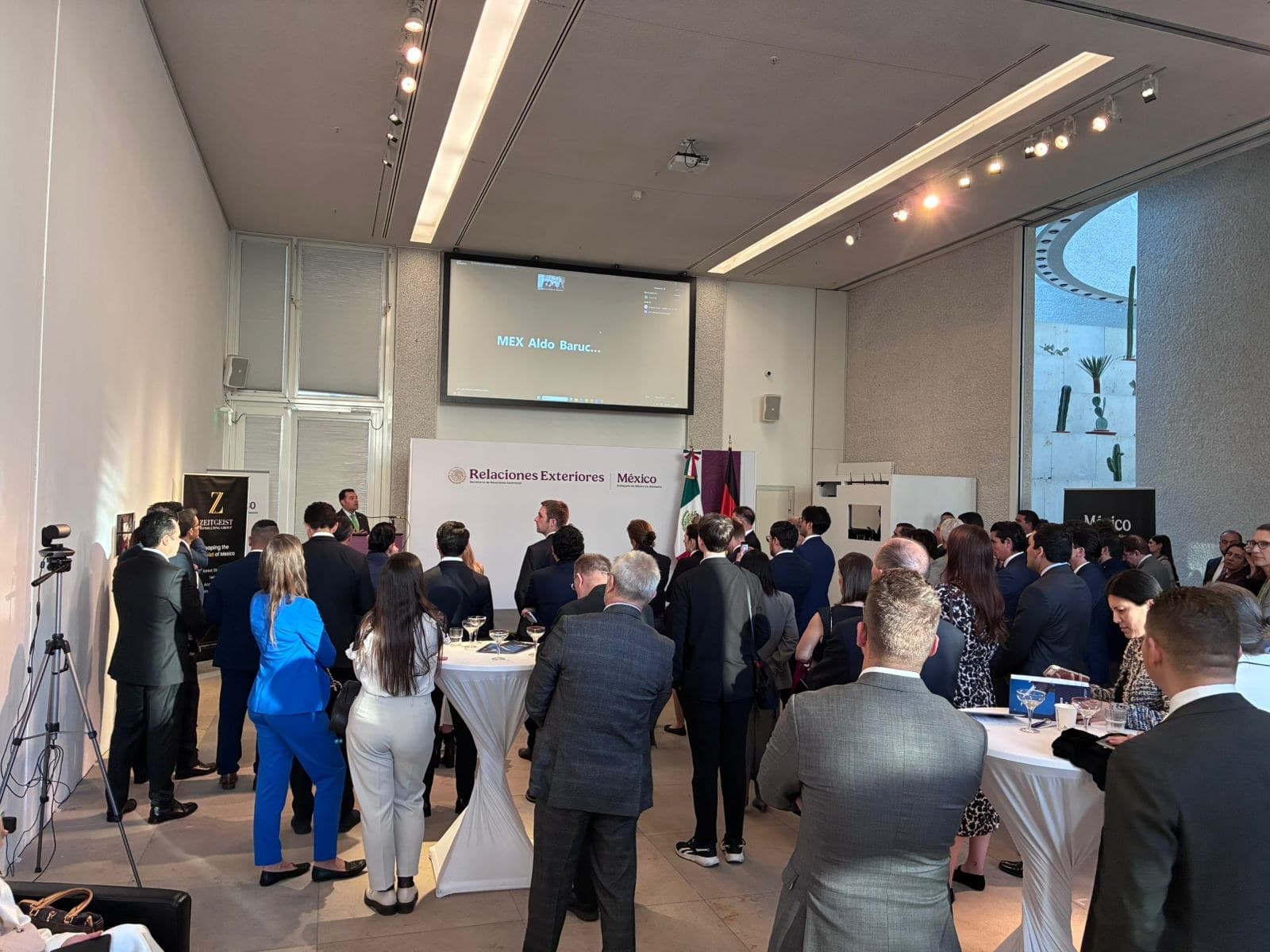
LCC Strategy coordinated Chihuahua’s institutional presence across the week — twenty-one confirmed meetings, four walk-in conversations, and a closing panel in Stuttgart on 28 April with AHK México, IHK Region Stuttgart, and Lateinamerika Verein at LBBW. The remit was narrow on purpose: identify and engage companies with a credible mandate to invest in North America inside the next twenty-four months, and ensure the State’s delegation left Germany with conversations that survive the trip home. Every meeting was prepared at partner level and delivered as a signed agenda — no broadcast outreach, no cold lists.
The signal that mattered.
The single most consistent message from German industrial principals — across aerospace, automotive, medical technology, and industrial automation — was that the next eighteen months will reshape where they manufacture for the United States. The trigger is the upcoming review of the United States–Mexico–Canada Agreement (USMCA/T-MEC). For German firms, that has stopped being abstract regulatory commentary and started being a board-level question: where do we put the next plant, the next AI-enabled line, the next aerospace tier-two operation, so that we are still inside North American value chains in 2027?
Three observations from inside that conversation:
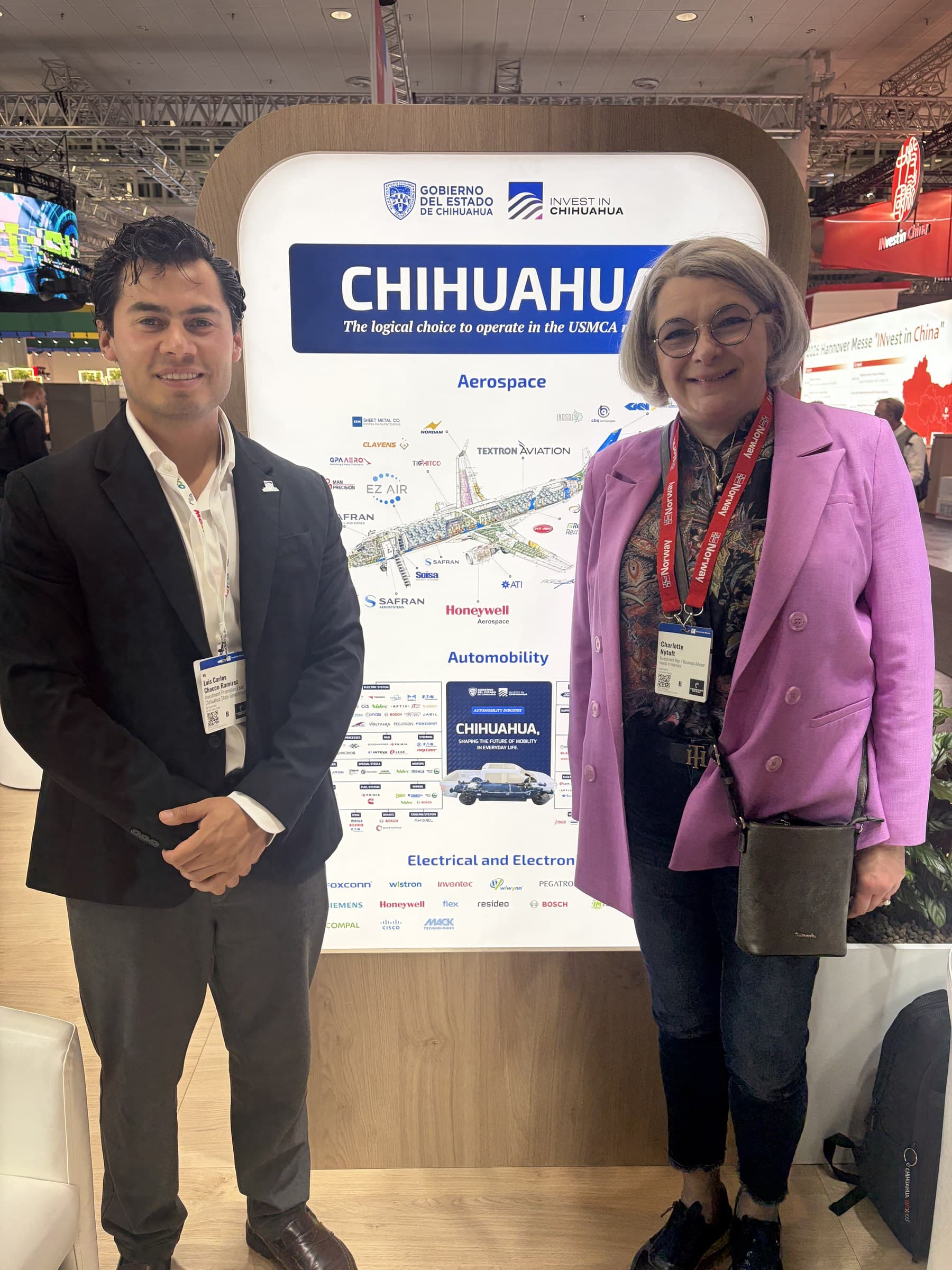
Mexico is no longer the maquiladora story. The companies we met treated Mexico — and Chihuahua specifically, with its aerospace cluster and growing semiconductor and industrial-automation depth — as a tier-one production decision, not a labour-arbitrage one. The vocabulary at the table was about engineering throughput, supplier networks, and energy mix. Not about wages.
Germany’s industrial Mittelstand is moving faster than the conglomerates. The most concrete near-term investment intent we encountered did not come from the headline names. It came from family-owned and closely-held industrial firms — automation specialists, precision components, advanced materials — for whom a North American footprint is now an existential decision rather than an expansion option. They were on the floor with technical teams, not with PR.
Stuttgart confirmed it at the policy level. “Mexico in a Changing Global Economy,” organised by AHK México, IHK Region Stuttgart, and Lateinamerika Verein, with the support of LBBW, DMG, and Baden-Württemberg International, brought industrial principals — Mahle, Erbe Elektromedizin, NAI Mexico, WMP Mexico Advisors, among others — into a public discussion of exactly the question their boards are asking privately. Chihuahua was on the aerospace panel. That positioning matters.
What it means for the State of Chihuahua.
The window for first-mover decisions inside the USMCA review is now. Companies that wait for clarity will lose the best industrial sites and the most capable supplier networks to those that move during the ambiguity. Chihuahua’s value proposition — established aerospace cluster, automotive depth, USMCA-anchored logistics, skilled technical workforce, active state-level investment promotion — is built precisely for this window.
The fair-floor conversation has become a credentialing conversation. German industrial buyers no longer ask whether Mexico can manufacture. They ask which Mexican state can give them a single accountable counterpart, predictable execution, and a signed package. That is an institutional question — and the answer is built before the fair, not at the fair.
The post-event period is where the value compounds or evaporates. Twenty-one good meetings produce nothing without a structured forty-five-day follow-up. The institutional debrief and the prioritised investment-prospect pipeline will be delivered to the State of Chihuahua before the end of May.
What it means for our practice.
Hannover 2026 confirmed what LCC Strategy was built to do. Trade-fair coordination is not logistics — it is a senior advisory mandate that lives on the same axis as M&A diligence and sovereign strategy. The work is to compress the institutional learning curve between a sovereign client and an industrial counterpart so that a five-day fair produces decisions that would otherwise take twelve months. That is the engagement we ran in Hannover. It is the engagement we are running in Stuttgart, in Farnborough later this year, and across the worldwide map of fairs that matter to the principals we serve.
We were on the floor in Hannover representing the Government of the State of Chihuahua. We will be there again next year. The question for any firm or government weighing a presence at the next Messe is no longer whether to attend — it is whether to attend with a mandate.
Closing notes.
Hannover Messe 2026 will be remembered as the fair where the question stopped being “will Germany manufacture in North America?” and started being “where exactly, and with which institutional counterpart?” That shift is the entire reason a delegation goes to the floor — and the entire reason it must go prepared.
For the State of Chihuahua, the week produced a structured pipeline of strategic, qualified, and observational leads across automation, hydrogen, advanced manufacturing, medical technology, and digital infrastructure. The Stuttgart panel on 28 April closed the mission by anchoring those conversations inside a public Baden-Württemberg – Mexico policy frame, with Chihuahua positioned on the aerospace track. The full Mission Report — meeting-by-meeting analysis, counterpart profiles, and recommended next steps — will be delivered to the State of Chihuahua before the end of May.
Our read, with one fair behind us and the next round of European engagements ahead: the institutions that compress the distance between a sovereign mandate and an industrial counterpart will define this cycle. That is the work. We intend to keep doing it.
From the floor
Hannover & Stuttgart, in pictures.
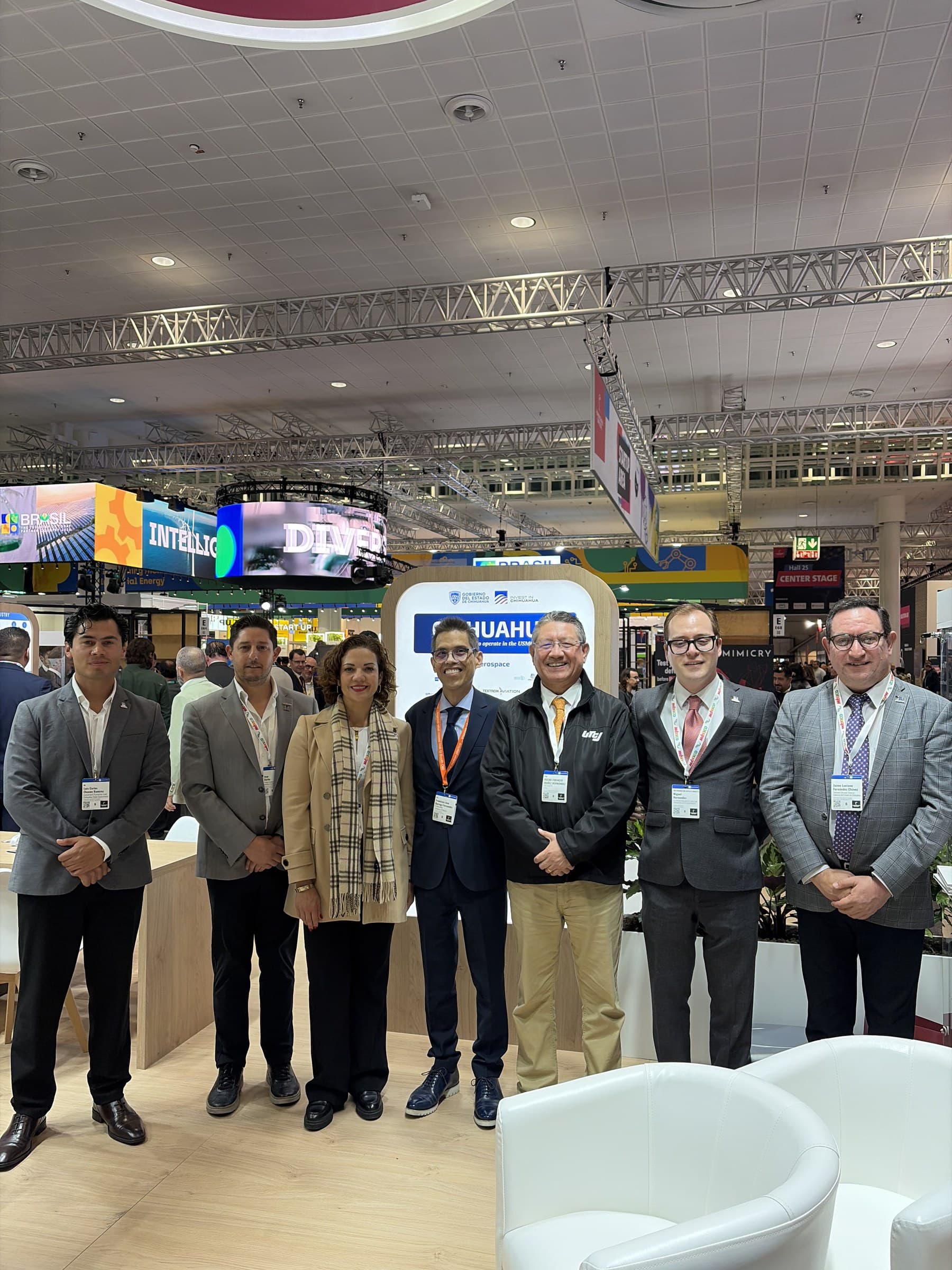
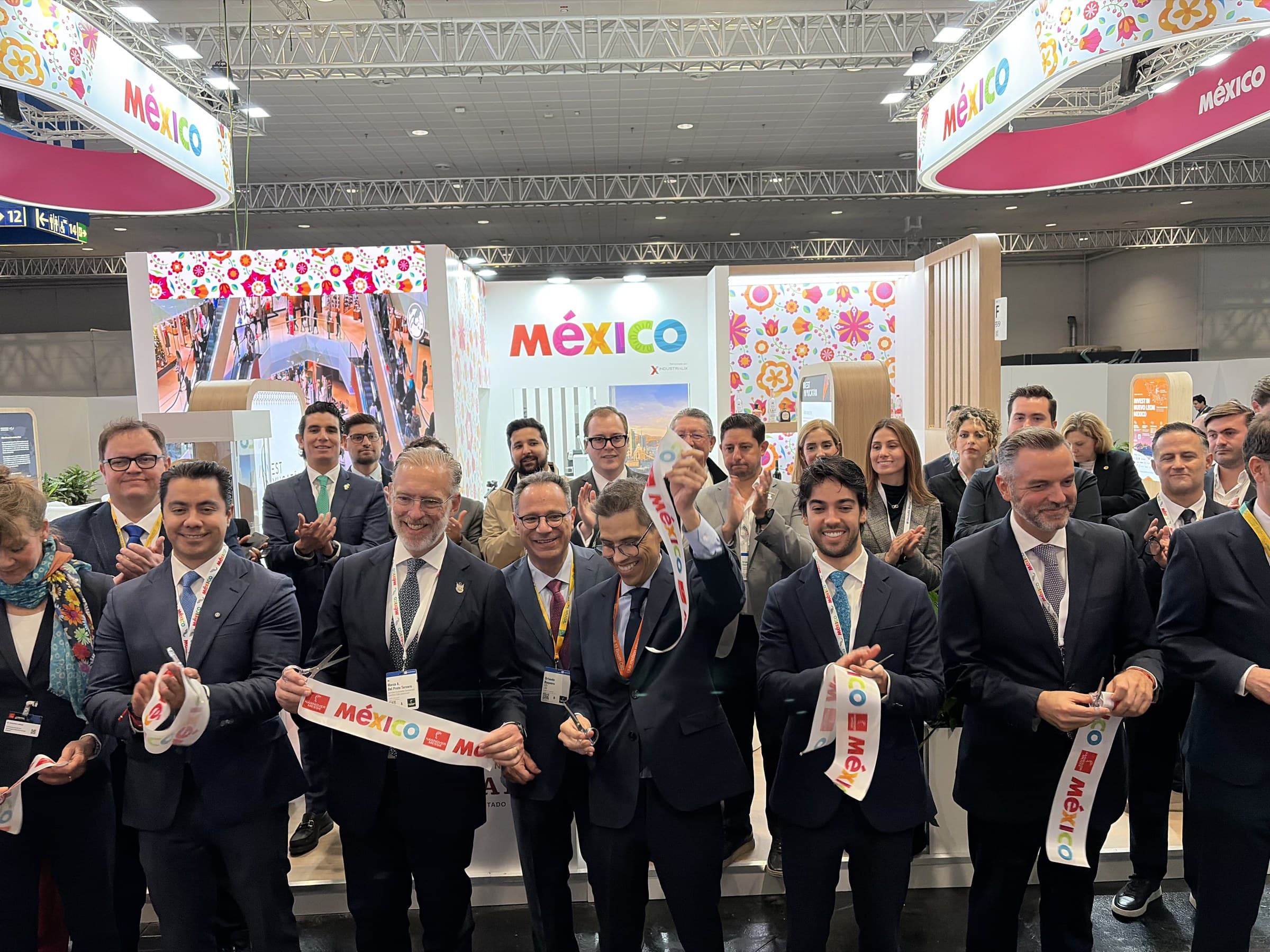
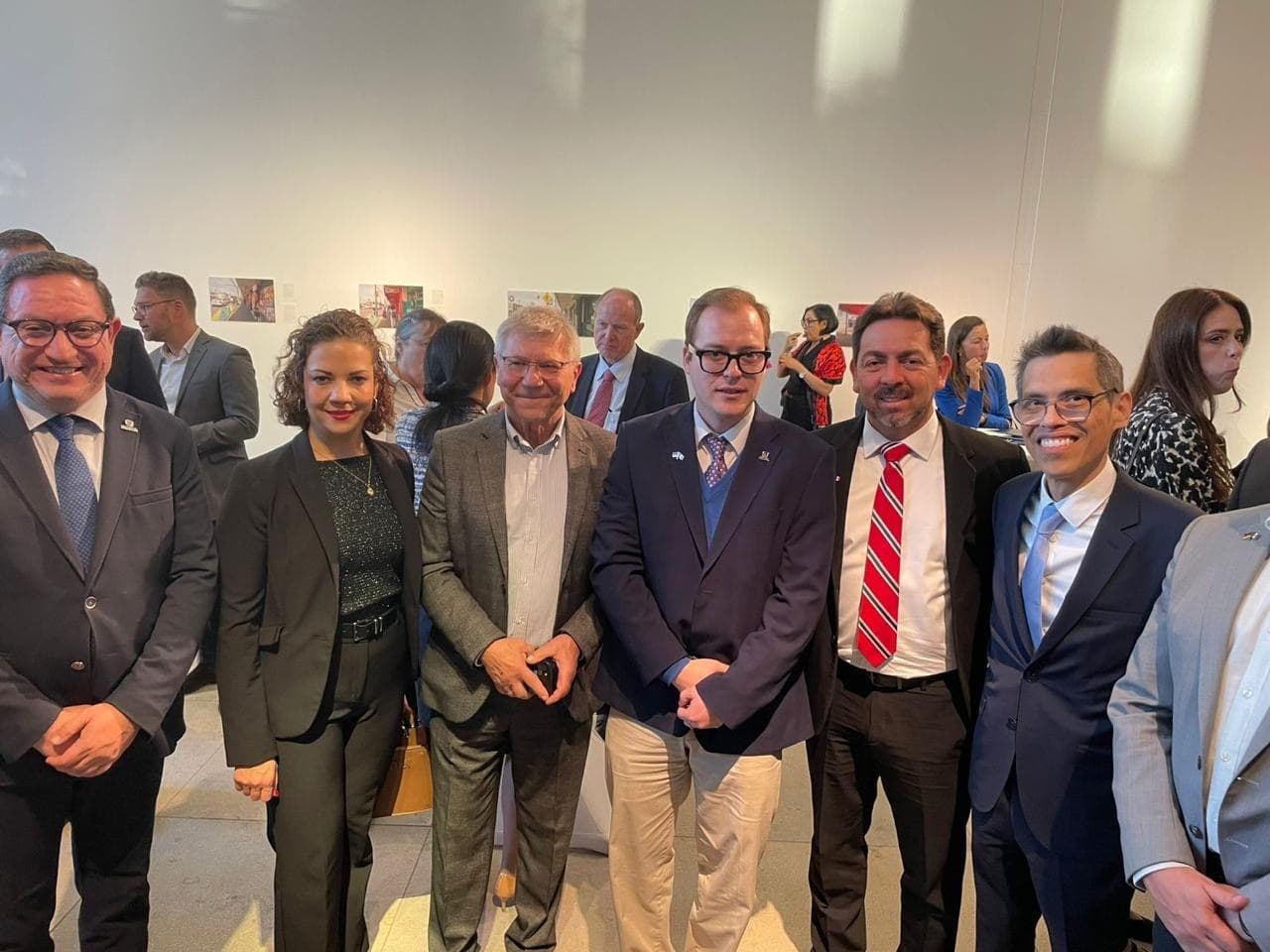
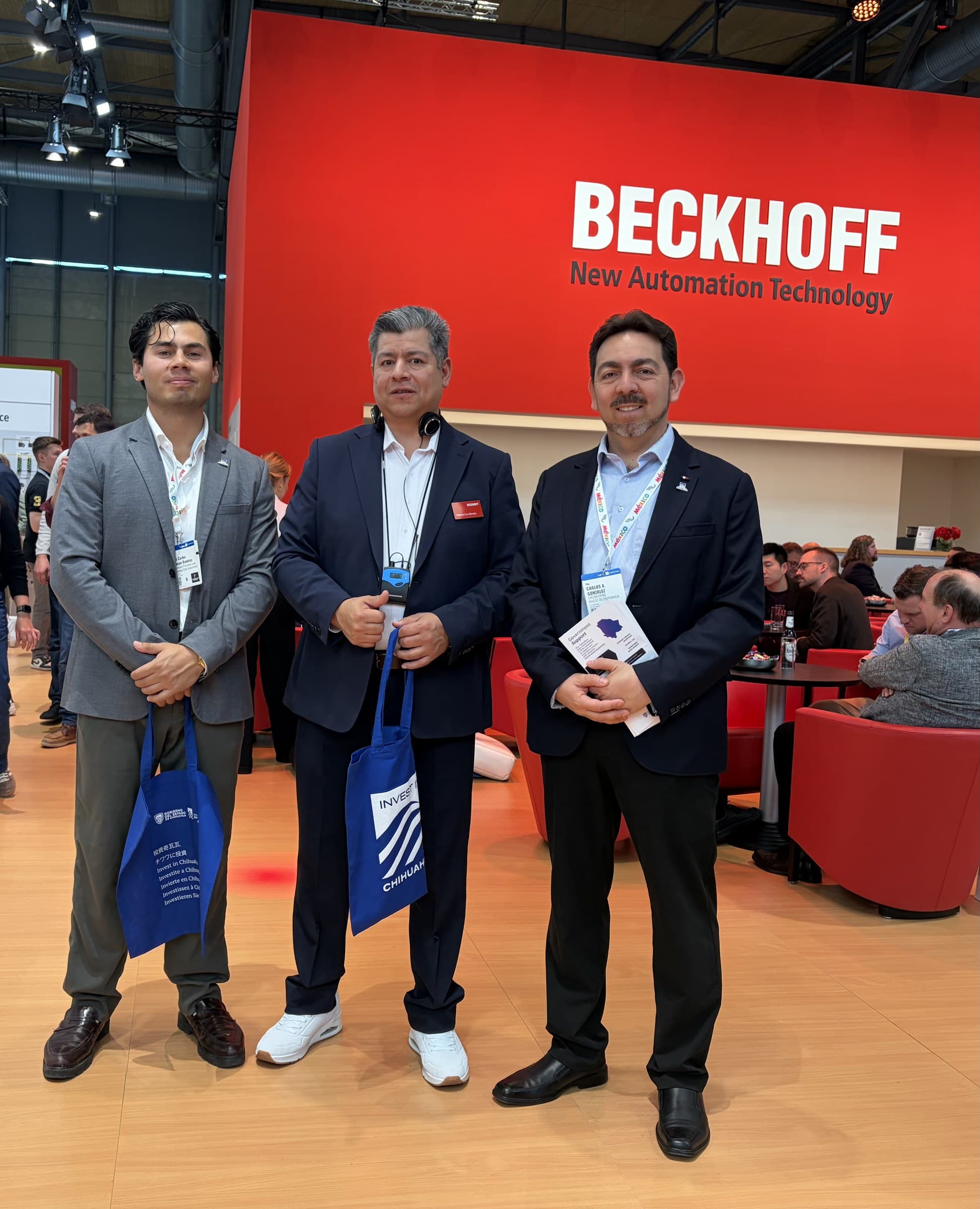
Engagement team · LCC Strategy
On behalf of the Government of the State of Chihuahua · Hannover Messe 2026 · Mexico Day Stuttgart, 28 April 2026.